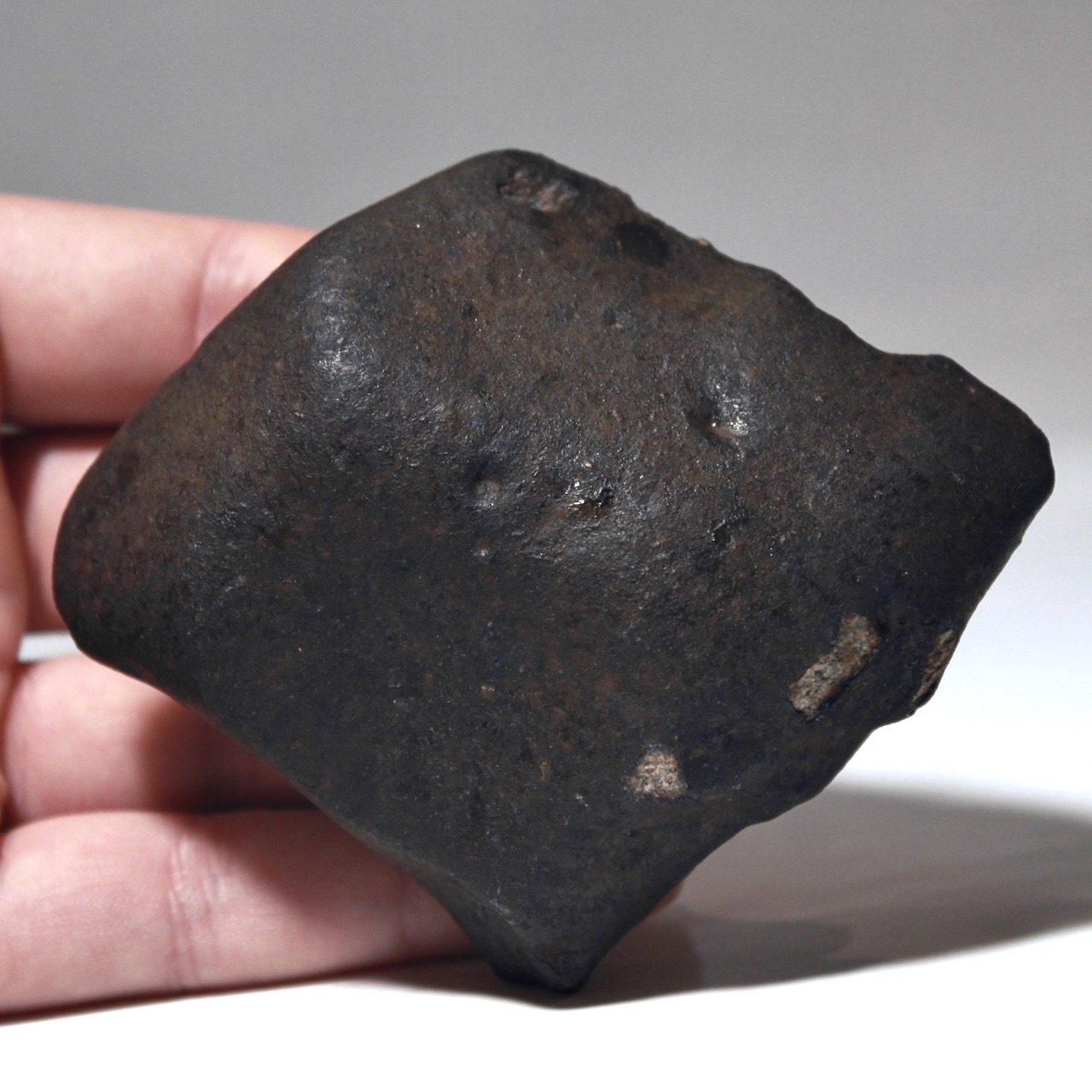
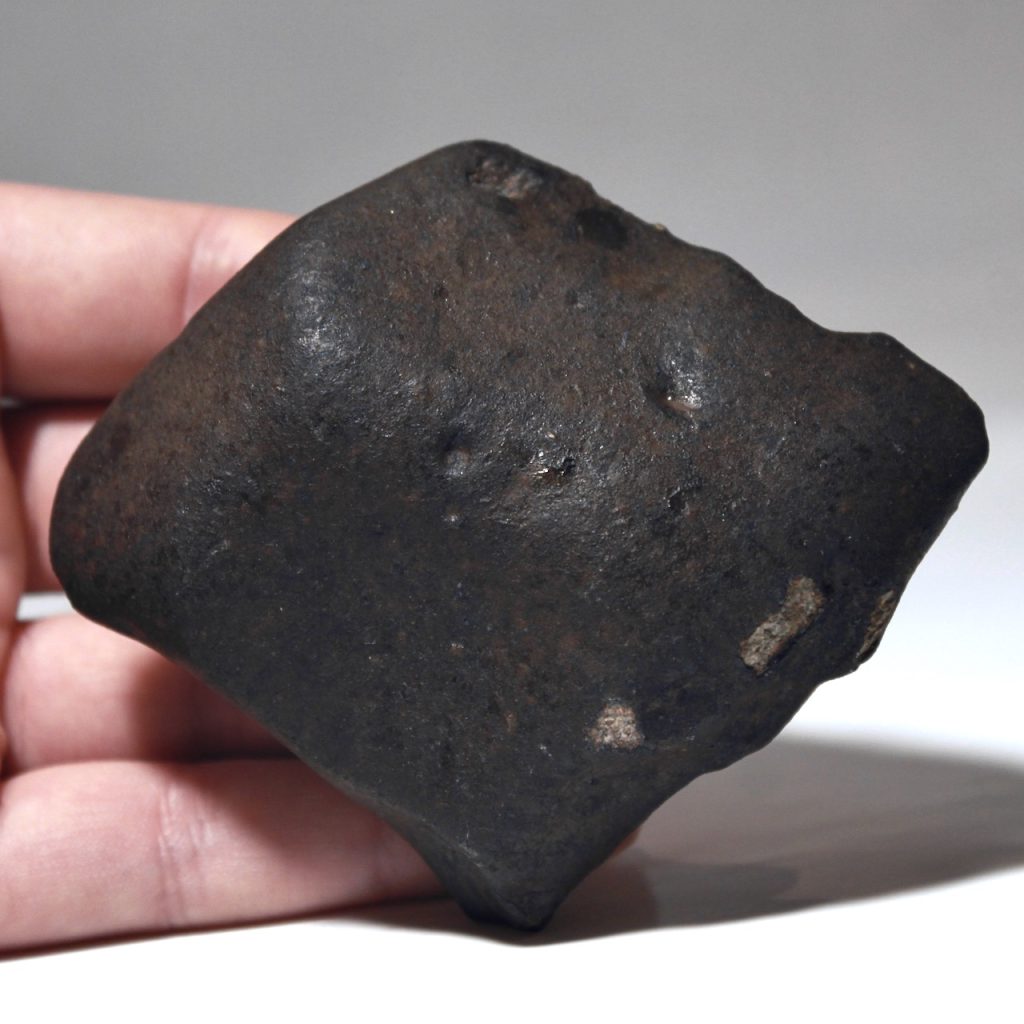
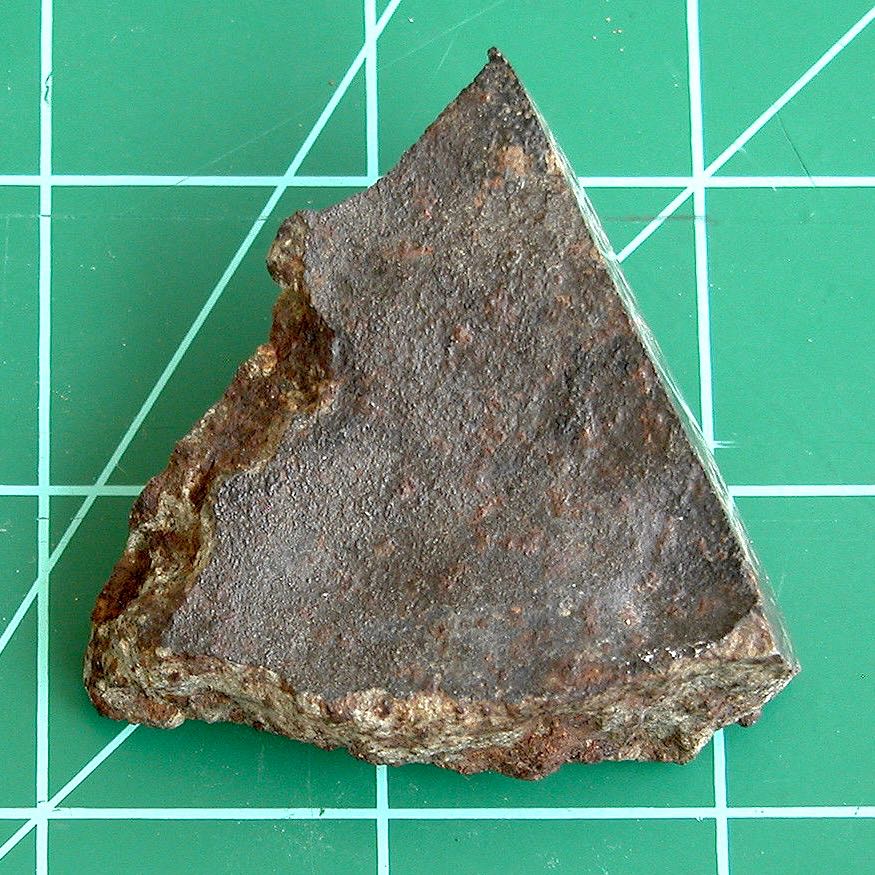
Kheneg Ljouad. 338 g

Kheneg Ljouad. 338 g. Collection

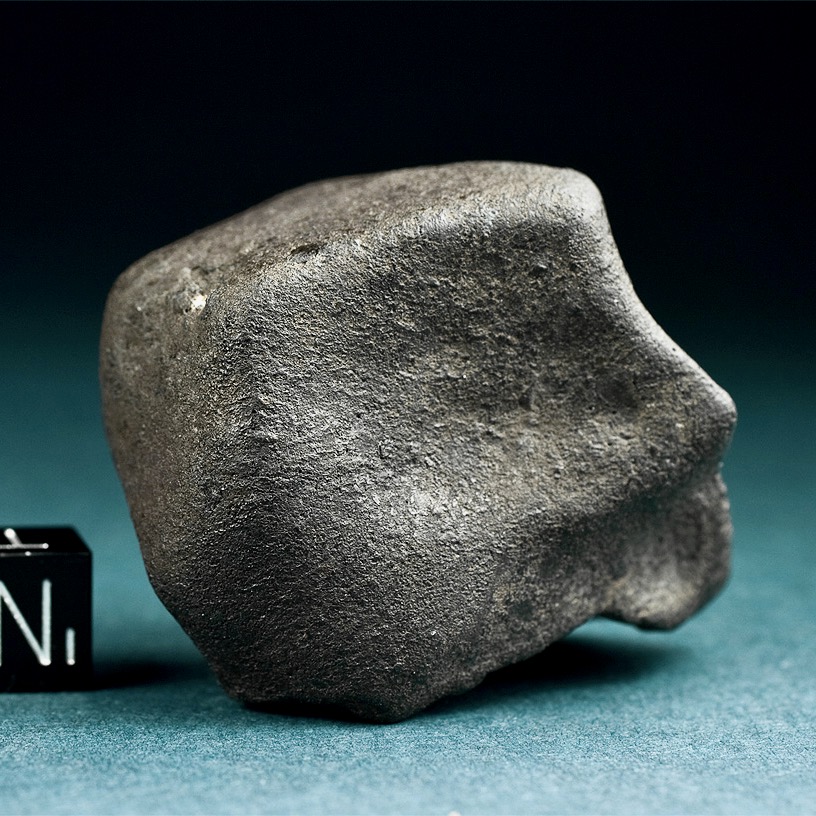
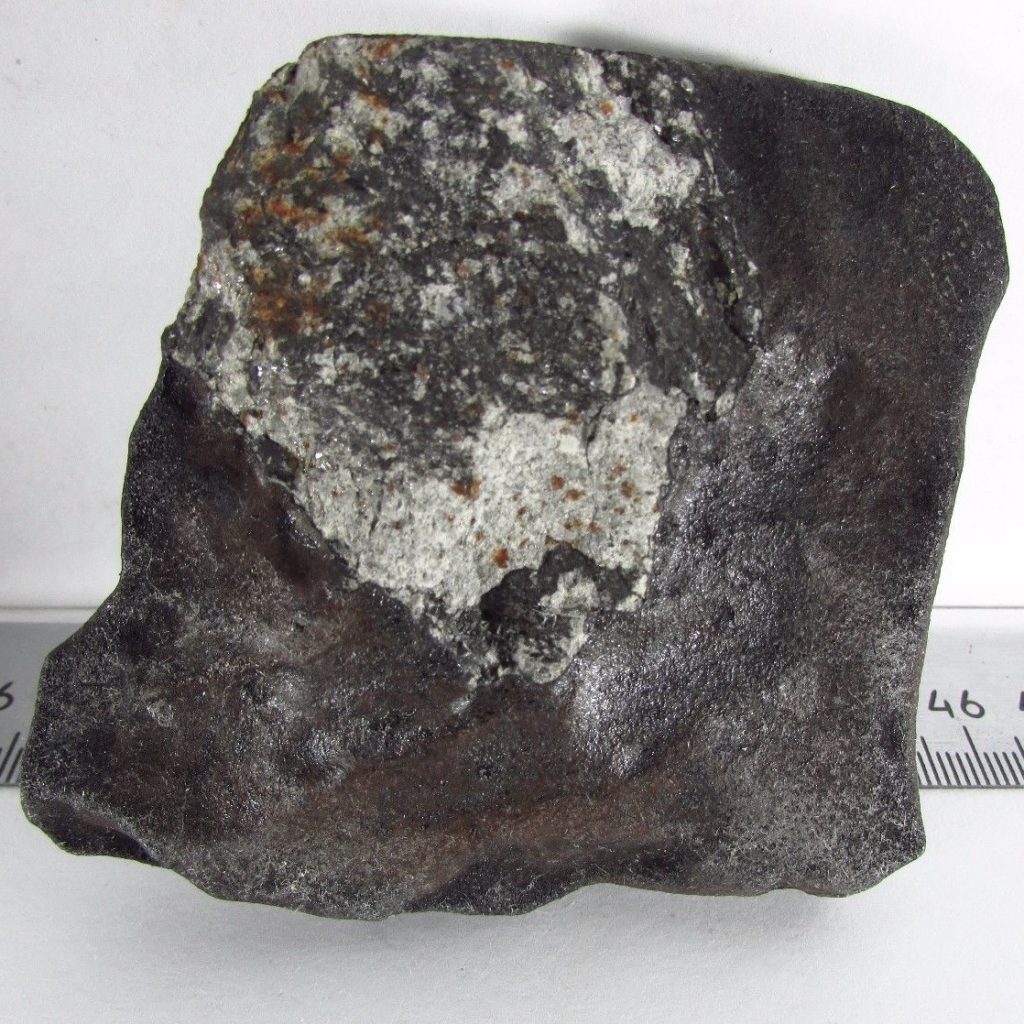
On Wednesday, 12 July 2017, around 23:13 local time, a bright fireball was widely seen throughout southern Morocco and western Argelia, traveling from the NE to the SW, with termination of the fireball southwest of Tata, Morocco. The fireball lasted for several seconds and was followed by a series of sonic booms. This event was subsequently reported on the national TV news. The authorities of the area including soldiers reported the fireball. The location of the fall is in a militarized area within Morocco, near the village Kheneg Ljouad. Military and nomads where the first to arrive at the fall site and the first piece was found within 12 hours of the fireball, on 13th July. Kheneg Ljouad is a chondrite meteorite, type LL5-6 with a characteristic contrast between its fresh fusion crust and its grey matrix full of troilite inclusions. 

Kheneg Ljouad. 338 g. Collection

La Criolla. 81 g

La Criolla. 81 g. Collection

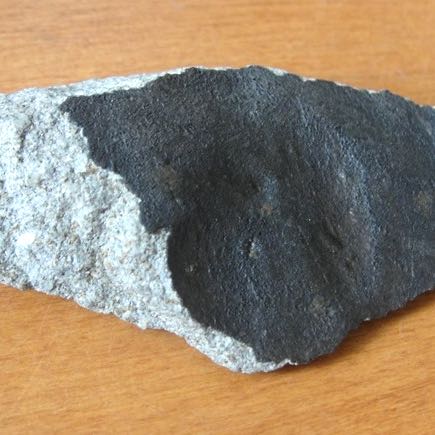
On January 6th, 1985 dozens of meteorite fell in La Criolla, Entre Rios province, Argentina. Despite it was daytime, a bright fireball was seen and explosions heard.

La Criolla. 81 g. Collection

Mbale. 88 g

Mbale. 88 g. Collection

This chondrite fell on 14 August 1992 at 15:40h in the populated area of Mbale, Uganda. Some fragments crashed against buildings and one of them hit the head of a boy. Fortunately he was not hurt.

Mbale. 88 g. Collection

Libyan Desert Glass. 205 g

Libyan Desert Glass. 205 g. Collection

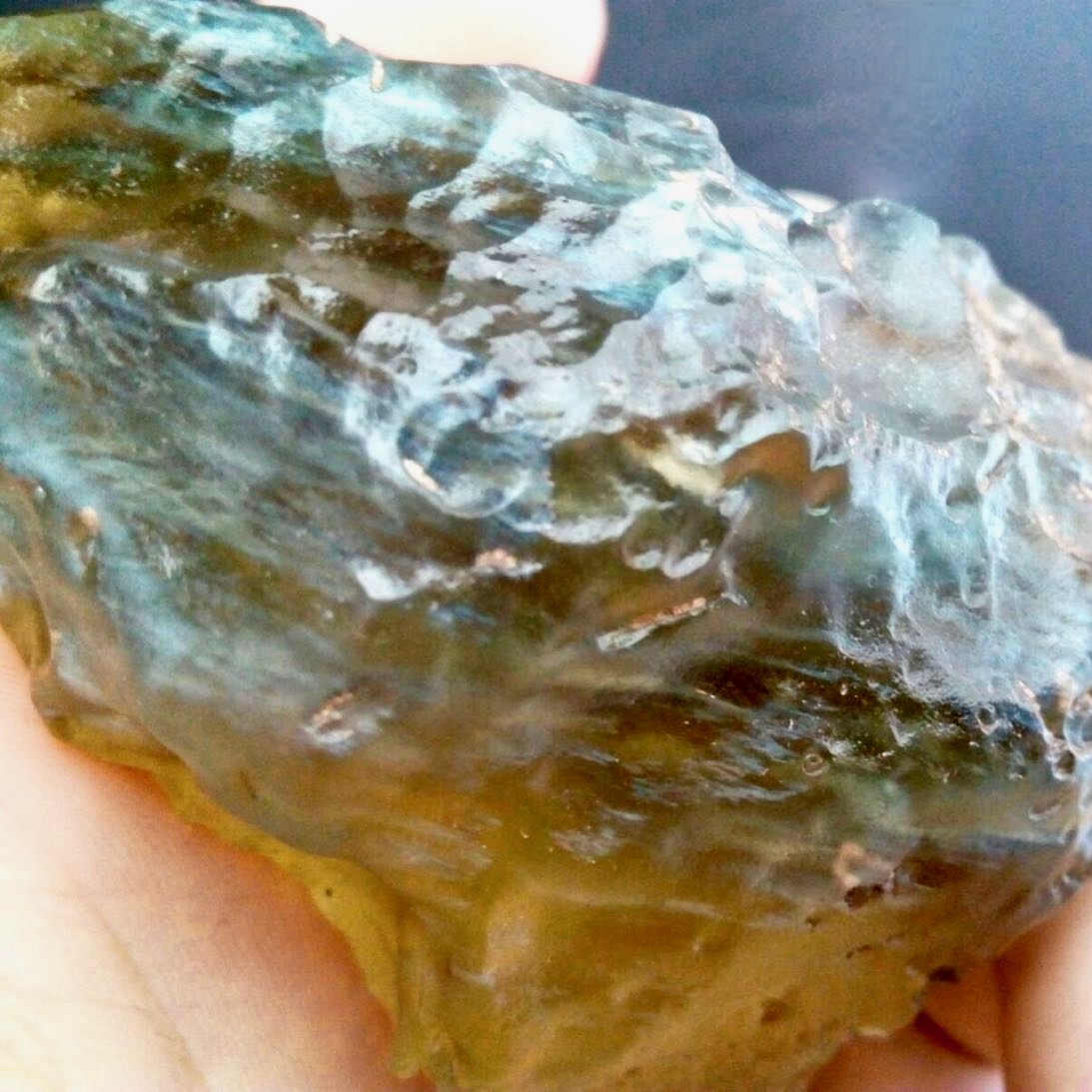
Formed by a massive impact near the Libyan border with Egypt 26 million years ago, this impactite is one of the most sought after type. As a result of the heat and pressure of the impact event, desert sands were melted and formed an impact glass in a a wide range of shapes and colors from yellowish-white to yellow and black-yellow. Ancient Egyptians already knew about these rocks, and they picked them up and used them to make tools and jewelry for the Pharaohs, for example, for the famous Tutankhamun’s pendant with Wadjet. This specimen has rare blue parallel lines.

Libyan Desert Glass. 205 g. Collection

Sikhote Alin. 82 g

Sikhote Alin. 82 g. Collection

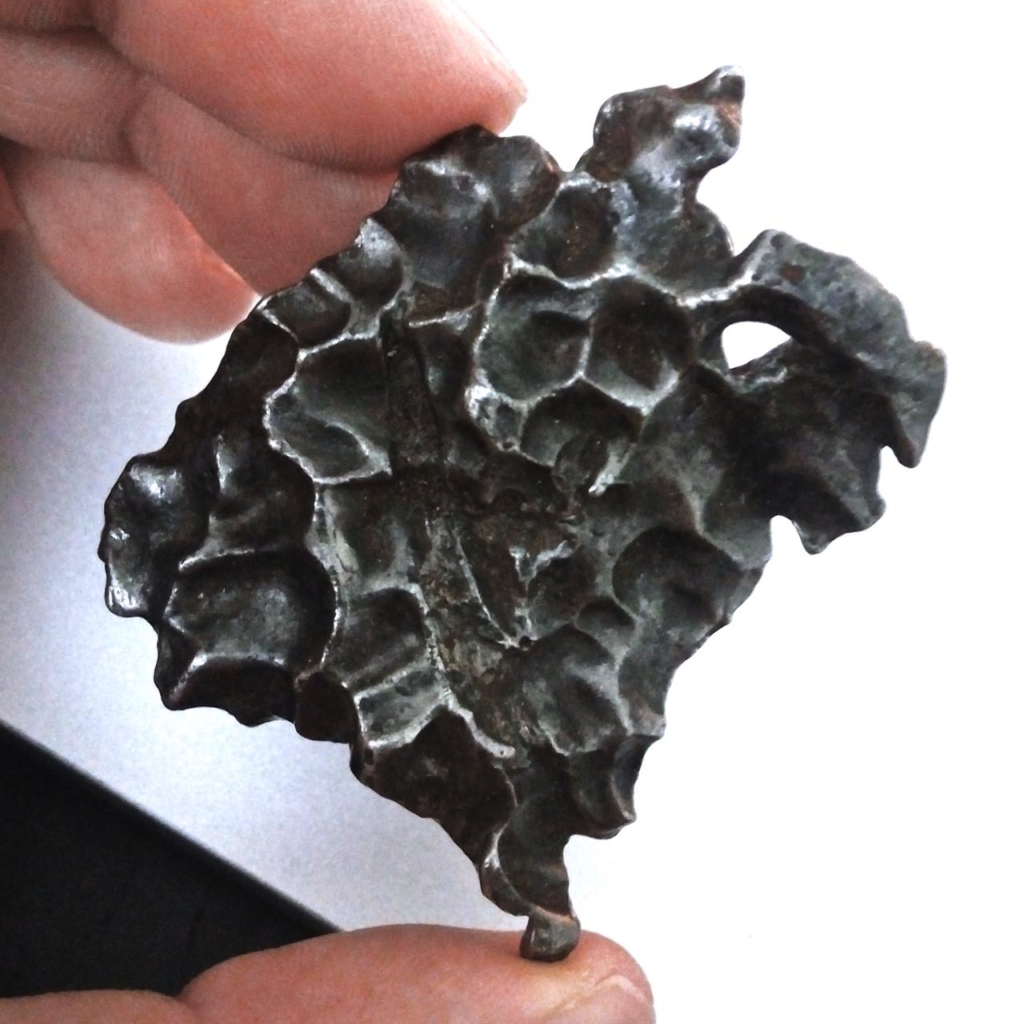
This meteorite is one of the biggest meteorite falls in recorded history. It was felt over 300km away with a bolide that the witnesses describe as brighter than the Sun. It crossed the atmosphere at 14km/s above the Sikhote Alin mountains. The fall happened in Russian fast East, close the the China border at 10:38 h local time the 12 February 1947. Sikhote Alin is classified as IIAB octahedrite iron meteorite. Sikhote Alin fragmented in its descent until the pressure of the atmosphere was so high that it exploded. The event left mainly 2 types of meteorites, one with smooth surfaces due to the higher time being ablated and one with intricate shapes due to the explosion. This specimen comes from the first fragmentation of the meteor.

Sikhote Alin. 82 g. Collection

Chelyabinsk. 237 g

Chelyabinsk. 237 g. Collection

The Chelyabinsk meteorite is one of the most famous meteorites due to the variety of recordings of the fall available. It is estimated than thousands of people were injured due to the shock wave that broke many windows and roofs of houses and factories in the city of Chelyabinsk, Russia, on February 15, 2013 at 09:20 local time.

Chelyabinsk. 237 g. Collection

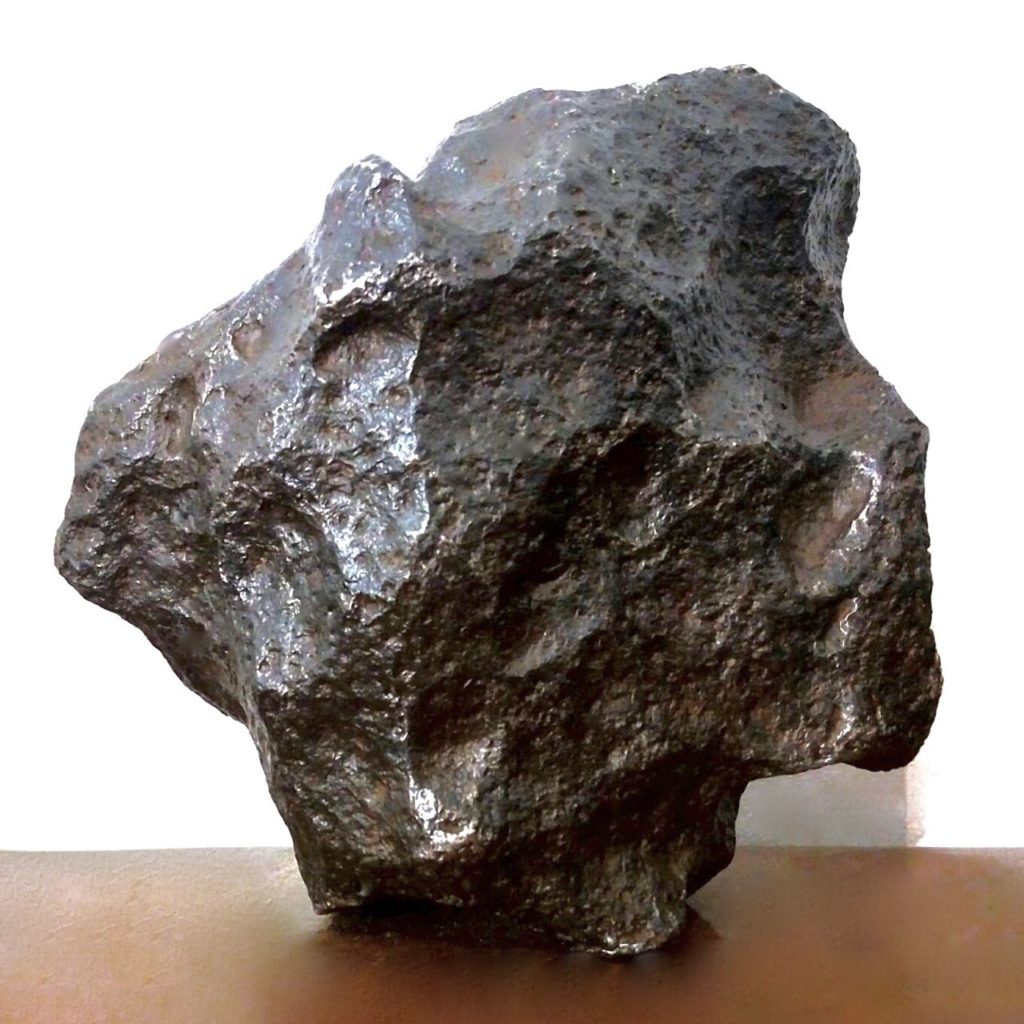
Campo del Cielo. 10 kg

Campo del Cielo. 10 kg. Collection

Campo del Cielo is an iron meteorite that fell 4800 years ago in the current Argentina. Its fireball was so bright that stories about it passed from one generation to another. When Spaniards arrived at the place, they were told by the locals that the sky had fallen, hence its name. This particular specimen is important as it comes from my best friend.

Campo del Cielo. 10 kg. Collection

Valera. 78 g

Valera. 78 g. Collection

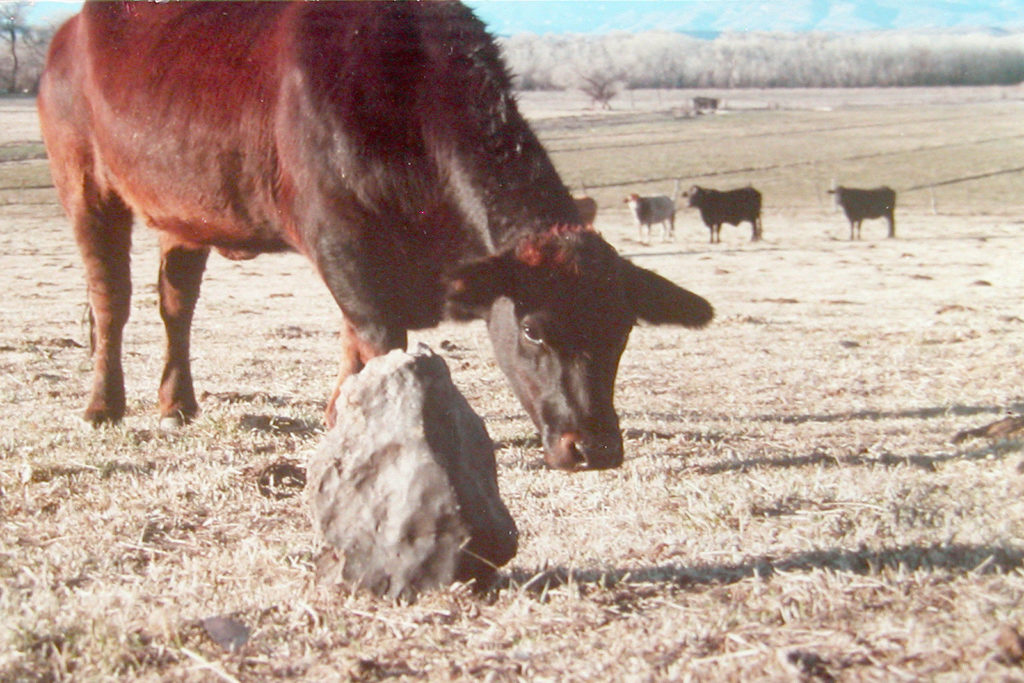
The Valera meteorite fell the night of 15 October 1972 in Valera, Venezuela, near the farm “El Tinajero”. A bright light was followed by an deafening sound. The next morning the farmer and a guest found out that a cow lay dead. Next to her there were 3 rocks that seemed to have broken with an impact. Valera is the first meteorite to be known to have killed a living animal.

Valera. 78 g. Collection

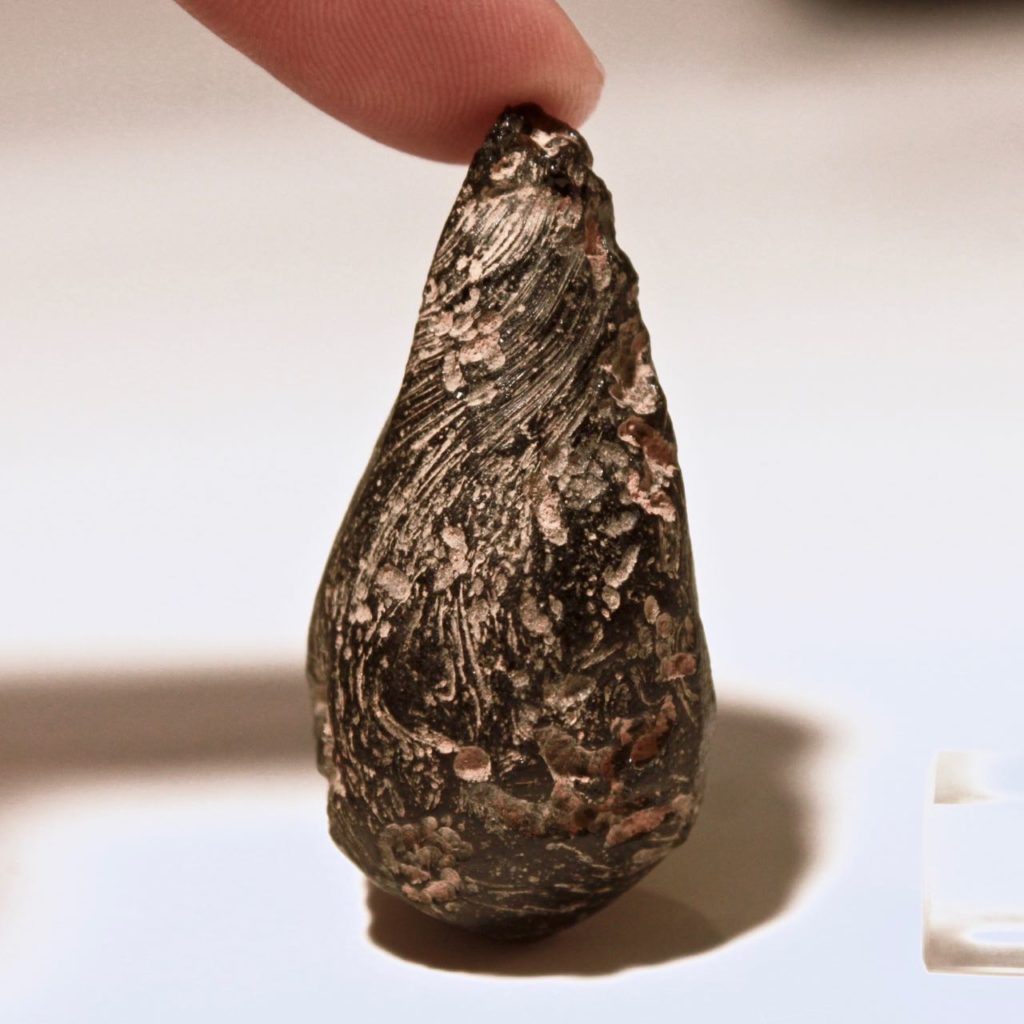
Indochinite. 28g

Indochinite. 28g. Collection

Indochinites were ejected into the Earth’s upper atmosphere by a huge meteorite impact 788.000 years ago in the Gulf of Tonkin, Vietnam. The steam jets cooled down in the higher atmosphere and condensed to form this type of glass. The pieces rained down hundreds and thousands of kilometers away from the impact, in direction South-East, reaching Philippines and even Australia. They have diverse shapes and a characteristic black color.

Indochinite. 28g. Collection

Indochinite. 26 g

Indochinite. 26 g. Collection

Indochinites were ejected into the Earth’s upper atmosphere by a huge meteorite impact 788.000 years ago in the Gulf of Tonkin (Vietnam). The steam jets cooled down in the higher atmosphere and condensed to form this type of glass. The pieces rained down hundreds and thousands of kilometers away from the impact, in direction South-East, reaching Philippines and even Australia. They have diverse shapes and a characteristic black color. This piece has a rare burst bubble at one end.

Indochinite. 26 g. Collection
×