Murchison. 46,7 g

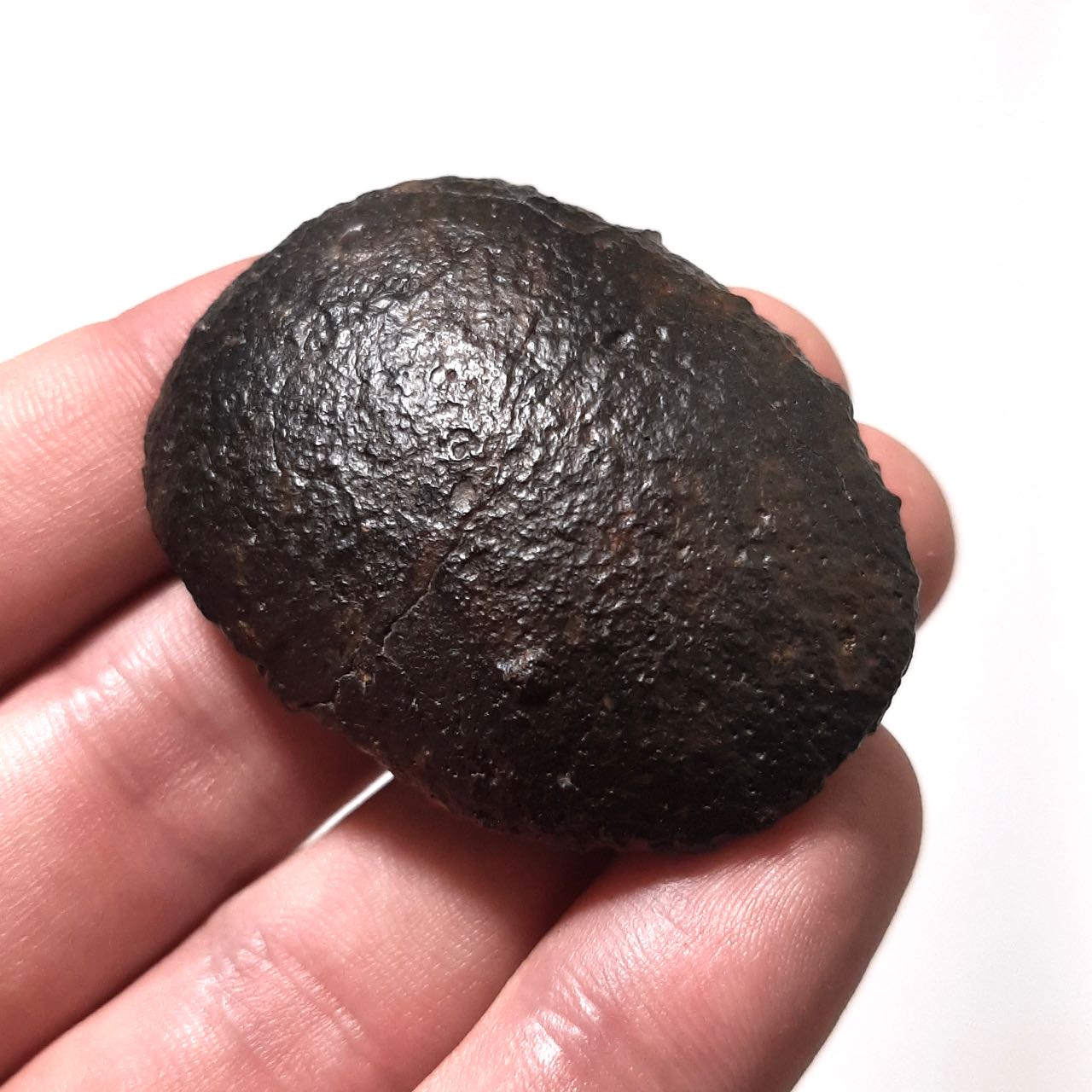
Murchison. 46,7 g. Collection

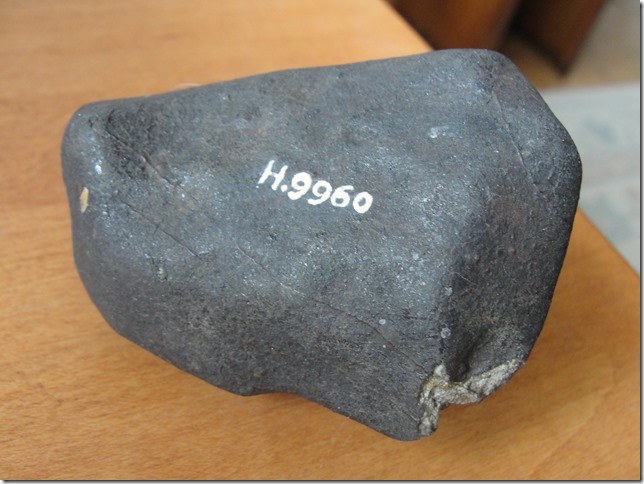
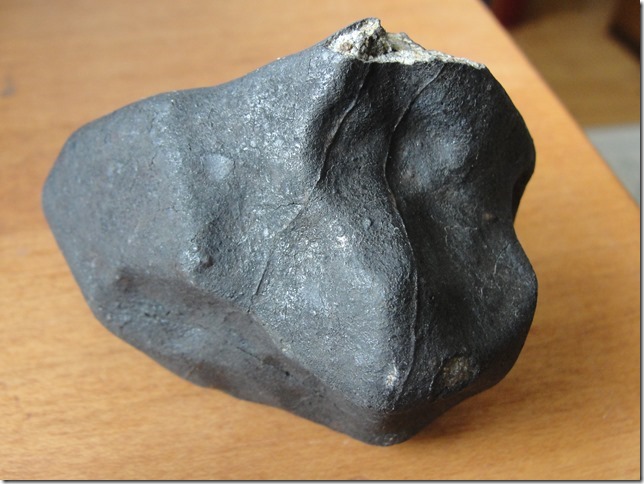
The Murchison Meteorite fell on 28 September 1969 in Australia. It was observed by the neighbors that saw the fireball and heard the shock wave. It is considered to be the most studied meteorite in history together with the Allende meteorite. It is a carbonaceous chondrite type CM2. In it, scientists have found a water content of 12%, alcohols, hydrocarbons and dozens of amino-acids, which seems to be the type of meteorite that established the basis for the origin of life on Earth. Individual grains of pre solar dust have also been found. They floated in our galaxy for billions of years and became part of the solar nebula, where the asteroids formed. Also trace elements have been studied. Some of them have shown different isotopic compositions to the ones that of our Solar System could have done. It has been suggested that hundreds or thousands of stars could have contributed to the specific composition of Murchison, being those minerals 2 billion years older than the Sun, which makes them between 50.000.000.000 and 70.000.000.000 years old. That is roughly, half of the time since time exist (Big Bang). Most specimens are now in museums or in private collections.

Murchison. 46,7 g. Collection

Canyon Diablo. 13,5 kg

Canyon Diablo. 13,5 kg. Collection

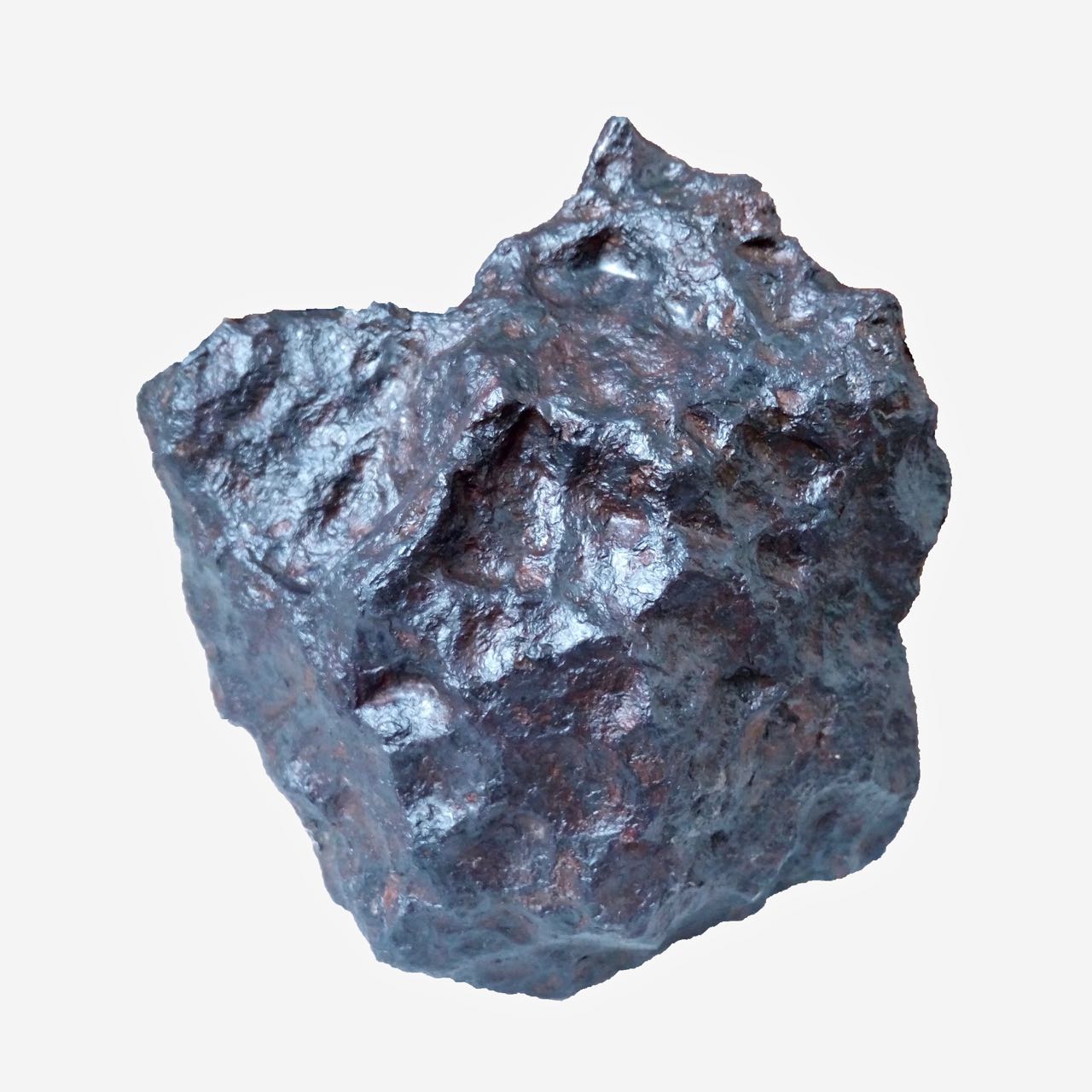
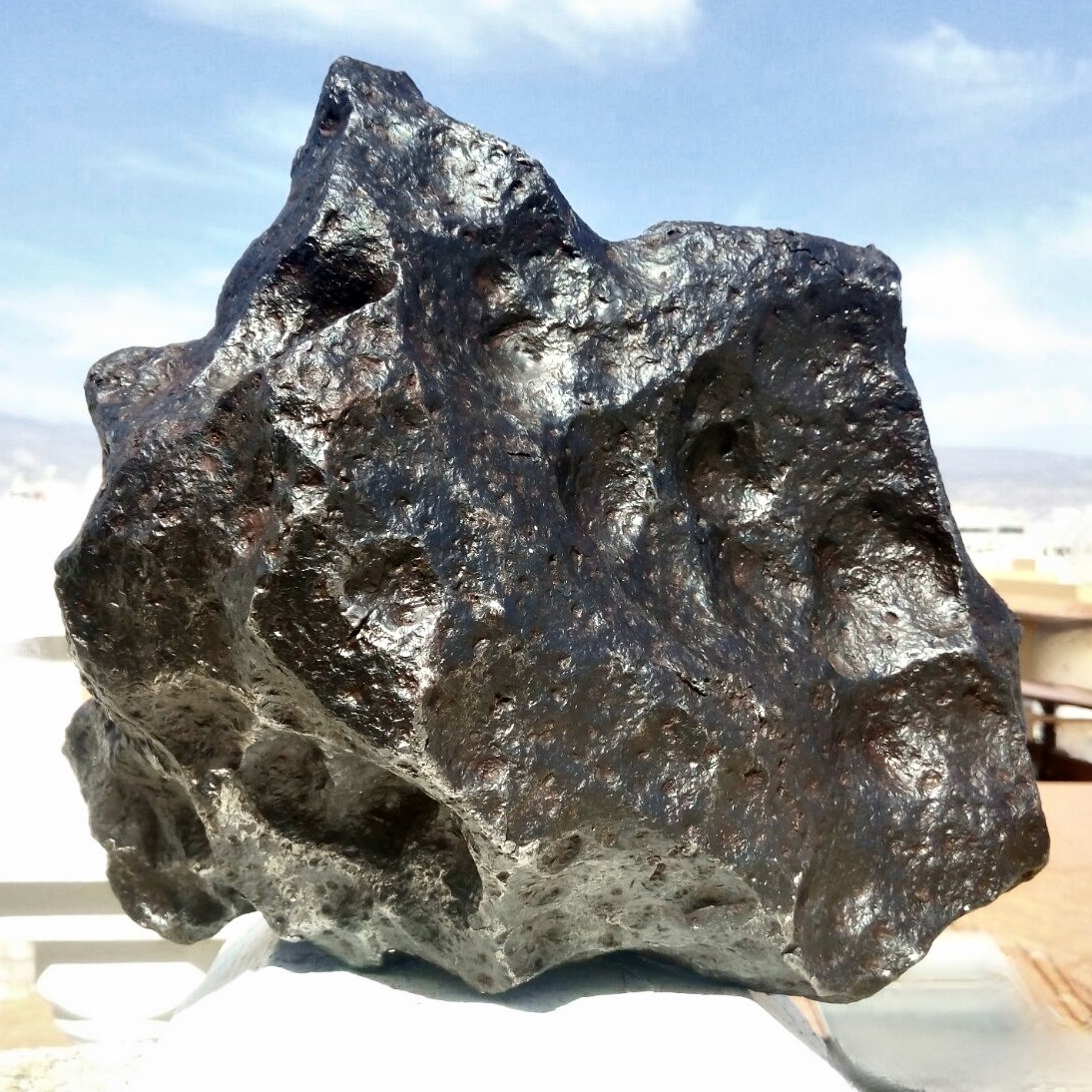
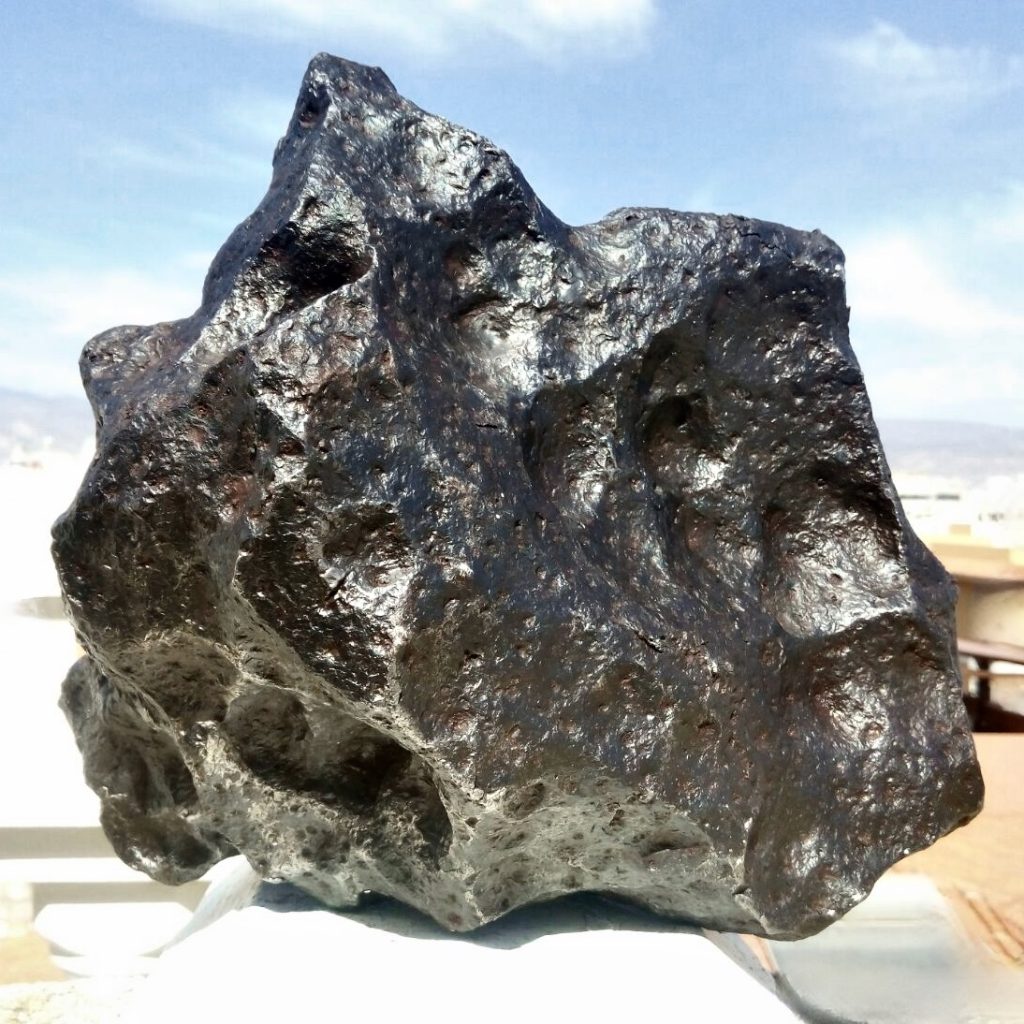
Canyon Diablo meteorite fell on the Earth around 50.000 years ago and created one of the most spectacular craters on Earth, The Barringer Crater. It has a diameter of 1,2km and is 170m deep. Meteorites have been found scattered around the crater rim and were already known and used by native Americans to make tools.

Canyon Diablo. 13,5 kg. Collection

Morasko. 2760 g

Morasko. 2760 g. Collection

This iron meteorite fell on Earth around 5000 years ago, near the current city of Poznan, Poland. I happen to have been on exchange with the University of Poznan and lived there for 5 months so I am specially attached to this meteorite. There are 7 craters of which 5 are lakes now. The biggest crater is 100m in diameter and 11m deep.

Morasko. 2760 g. Collection

Millbillillie. 100 g

Millbillillie. 100 g. Collection

Millbillillie meteorite is a meteorite named after the cattle station in Western Australia on which it fell in October 1960. A fireball was observed “with sparks coming off it” by two station workers while they were opening a gate in the boundary fence on a track. It is classified as an eucrite.

Millbillillie. 100 g. Collection

Cape York. 988 g

Cape York. 988 g. Collection

A total mass of 58 tons of the Cape York meteorite has been recovered. Most masses are very large and in museums. The meteorite is named after the location where the largest fragment was found: near Cape York, in Savissivik, Meteorite Island, Greenland. The date of the meteorite fall is debated, but was probably within the last few thousand years. It was known to local Inuit for centuries, who used it as a source of iron for tools.

Cape York. 988 g. Collection

Mocs. 253 g

Mocs. 253 g. Collection

Mocs meteorite fell in 1892 in the current Romania. It is one of the biggest historical meteorite events in Europe. This piece comes from the Natural History Museum of Vienna, where they wrote the code.

Mocs. 253 g. Collection

Sericho. 30 kg

Sericho. 30 kg. Collection

In 2016, two brothers were searching for their camels and came across several large, dense stones west of the village of Habaswein and south of Sericho, Kenya. There are no rocks in this area, so they decided they were meteorites. They spent several weeks collecting them with engine hoists and moving them to their homes in Habaswein. Though recognized as meteorites in 2016, the masses had been known to camel-herders for decades. One village elder said that as a child, he and his brothers would play on top of the stones.

Sericho. 30 kg. Collection

Gujba. 32 g

Gujba. 32 g. Collection

Several meteorites were recovered after a bright fireball was witnessed moving west to east and an explosion was heard near Gujba, Nigeria. It is classified as a carbonaceous bencubbinite and it is the only observed fall of this type.

Gujba. 32 g. Collection

Campo del Cielo. 16 kg

Campo del Cielo. 16 kg. Collection

This is the first meteorite I ever purchased. Big investment for a college guy back then. Campo del Cielo is an iron meteorite that fell 4800 years ago in the current Argentina. Its fireball was so bright that stories about it passed from one generation to another. When Spaniards arrived at the place, they were told by the locals that the sky had fallen, hence its name.

Campo del Cielo. 16 kg. Collection

Oriented chondrite. 50 g

Oriented chondrite. 50 g. Collection

The first meteorite I ever had. My father went to Morocco and brought home several chondrites he had bought there. Then he asked me to choose any of my liking to give it to me as a gift. Despite it was smaller than others, I chose this 50 g piece because I liked the oriented shape.

Oriented chondrite. 50 g. Collection
×